Peter Gordon's arrival at the Burbank ranch
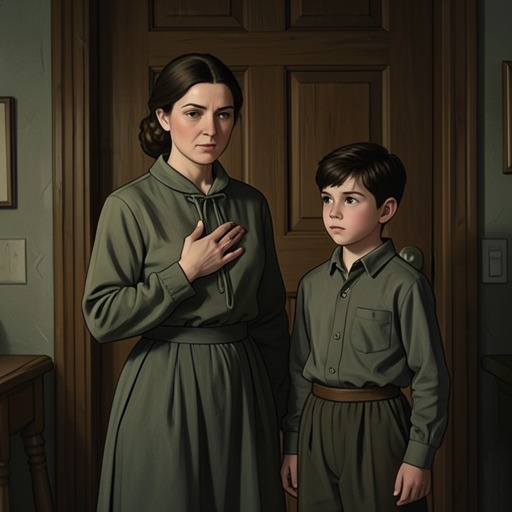
The Power of the Dog (Thomas Savage Edition)Peter Gordon’s arrival at the Burbank ranch for the summer brings a conflict already charged by Phil Burbank’s contempt for what he regards as softness into the daily life of the ranch. Phil prepares the hands to expect a boy he considers effeminate; once Peter arrives, strained meals and Phil’s antagonism make the household feel hostile. Yet Peter is not simply the fragile figure Phil expects: he watches closely, recognizes what Phil is doing to Rose Gordon Burbank, and shows a resolve that Phil himself cannot dismiss.
Background and Setting
Peter’s visit is announced as a summer stay, and Phil reacts with dismay before the boy has arrived. He primes the bunkhouse hands by describing Peter’s mincing manner and paper flowers, making the boy’s reputation part of the ranch’s social atmosphere in advance. At the ranch house, the antagonism becomes immediate: mealtimes grow painfully tense, and Peter seems unable to do anything right in Phil’s eyes.
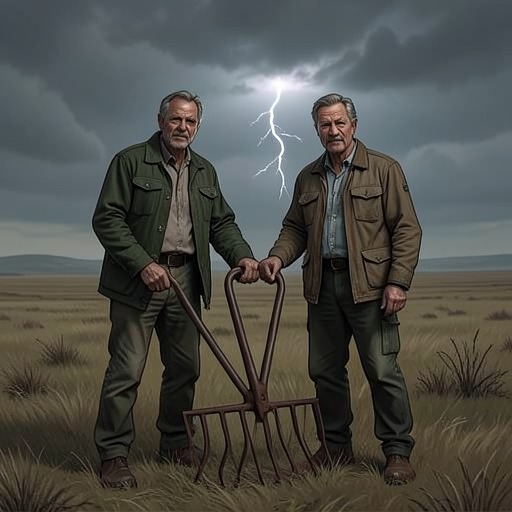
The arrival takes place within a ranch organized around demanding seasonal labor. Phil oversees haying, equipment maintenance, irrigation, and the preparation of camps, including the inspection of eight mowing machines and twelve canvas tents. The work is not merely picturesque: the mowing machines’ seven-foot cutter bars make the job dangerous, and the men who operate them receive extra pay and a degree of deference. Against this ordered, male-dominated working life, Peter’s paper flowers and manner become markers by which Phil and the hands judge him.
The ranch’s code is also visible in its everyday practices. The hands wear gloves for most work to protect their hands, while Phil refuses them and scorns those who use them. His dry, powerful hands embody a standard of toughness that helps explain the atmosphere Peter enters, although the evidence does not make Phil’s attitude toward gloves the direct cause of his hostility to the boy.
Hostility and Peter’s Response
Phil’s contempt is sharpened when Peter unexpectedly encounters him at his private water hole. Phil responds in a shouting rage. The encounter exposes how quickly the strained household dynamic can become a direct confrontation, while also establishing that Peter has access to a part of Phil’s life the ranch hands do not ordinarily see.
Peter’s appearance does not tell the whole story of his character. During a roundup, after a ranch hand mocks him with a wolf whistle, Peter walks past the men in stiff new blue jeans. The episode gives Phil evidence of something adamantine and courageous in the boy. Peter’s quiet, watchful manner, which has long confounded Rose, is thus set against Phil’s assumption that he can be defined by delicacy alone.
Peter is also alert to the effects of Phil’s conduct beyond his own humiliation. He sees what Phil is doing to Rose and understands that the pressure on her is part of the household’s wider conflict. The arrival therefore establishes Peter not only as the object of Phil’s hostility but as an observer of the harm that hostility causes.
Phil’s Overture and the Event’s Significance
Phil anticipates that Rose’s drinking will worsen and that George Burbank will eventually cast her off. He responds by making the first overtures to Peter: he offers him the rawhide rope he is braiding, proposes to teach him roping and riding, and presents friendship as an alternative to their antagonism. Peter seems to accept. Phil also tells him about Bronco Henry, the extraordinary figure associated with the old days he remembers.
This turn does not erase the humiliations that precede it. Instead, the arrival marks a change in the form of the conflict: Phil moves from openly targeting Peter toward a deliberate attempt to draw him close, while Peter’s apparent acceptance leaves the new relationship unsettled. The offers of practical instruction and a handmade rope give the overture tangible form, but Phil’s expectation about Rose and George reveals the pressure surrounding it. Peter’s summer stay begins as a household confrontation and becomes the opening of a more complicated bond shaped by observation, vulnerability, and unequal power.